




Executive Summary
Pregnancy and childbirth continue to have major bearing on women’s health in India, especially in resource-poor settings. Although maternal health indicators have improved over time, maternal mortality remains a serious public health concern. There are also large differences across states. For example, Kerala reports a maternal mortality ratio (MMR) of 19 per 100,000 live births, while Uttar Pradesh reports an MMR of 167, among the highest in the country. High-risk pregnancies (HRPs) account for an estimated 20–30% of all pregnancies but contribute to nearly 75% of perinatal illness and deaths. Early identification and proper follow-up of these pregnancies through quality antenatal care are therefore critical. To strengthen antenatal care, the Government of India has introduced initiatives such as Ayushman Bharat Health and Wellness Centres (now Ayushman Arogya Mandirs) and the Pradhan Mantri Surakshit Matritva Abhiyan (PMSMA), that provides specialist care for pregnant women. However, limited evidence exists on how prepared Health and Wellness Centres are to identify and follow up HRPs at the community level.
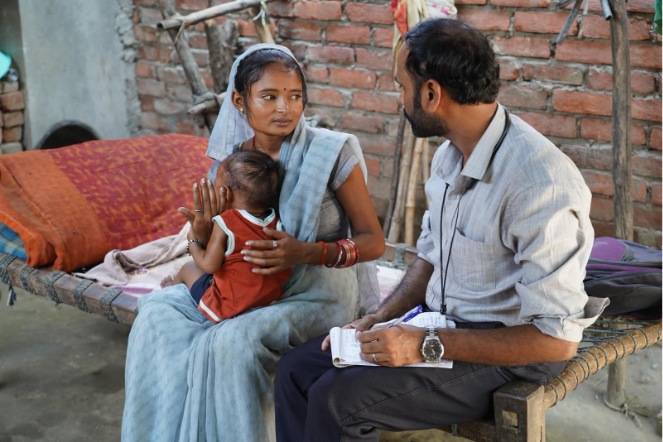
A study on this subject was conducted by MAMTA Health Institute for Mother and Child in Gonda district, Uttar Pradesh, with support from Azim Premji University. The study was aimed at assessing gaps in the identification and follow-up of high-risk pregnancies and to suggest practical recommendations for strengthening maternal health services.
Objectives of the Study
The study aimed to:
- Assess the preparedness of Health and Wellness Centres to identify and follow up high-risk pregnancies under PMSMA
- Examine the knowledge, practices, and challenges faced by frontline health workers
- Understand pregnant women’s awareness, risk perception, and care-seeking behaviour
- Recommend actionable strategies to improve maternal health services at the district level

Most ASHAs associated HRPs mainly with age and high blood pressure. Awareness of other risk factors—such as poor weight gain, previous complications, or prolonged labour—was very limited.
Methodology
This was a community-based, cross-sectional study conducted between January and December 2024 in Nawabganj and Wazirganj blocks of Gonda district. A mixed-methods approach was used.
Quantitative component:
- 402 pregnant women across all trimesters
- 114 ASHAs and 36 ANMs
- Observations of 37 Health and Wellness Centres, 23 Village Health and Nutrition Day (VHND) sessions, and PMSMA sessions
Qualitative component:
- In-depth interviews with 12 Community Health Officers (CHOs), 2 Medical Officers, and 3 district-level officials
Data were collected using structured questionnaires, observation checklists, and interview guides aligned with national guidelines.
Key Findings
1. Gaps in Knowledge Among Frontline Health Workers
Frontline health workers play a central role in antenatal care, but important gaps were observed in their understanding of high-risk pregnancies.
Most ASHAs associated HRPs mainly with age and high blood pressure. Awareness of other risk factors—such as poor weight gain, previous complications, or prolonged labour—was very limited. Only 0.8% linked early pregnancy registration with early risk identification. ANMs showed better awareness than ASHAs but still had a narrow understanding of risk factors. None identified inadequate weight gain or prolonged labour in earlier pregnancies as high-risk indicators.
CHOs often confused HRPs with conditions like anaemia or malnutrition and lacked clarity on comprehensive risk assessment. Many reported not receiving complete or regular training on PMSMA guidelines.
These gaps were largely due to inadequate training, limited refresher sessions, and insufficient mentoring.
Incomplete documentation and missing MCTS numbers made tracking and follow-up difficult, leading to delays in identifying women who needed special care.
2. Poor Use of Maternal Care Protocols
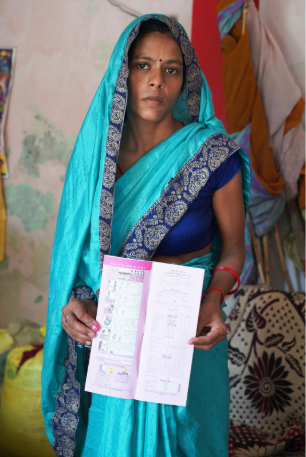
The Maternal and Child Protection (MCP) card is a key tool for identifying and tracking high-risk pregnancies. However, its use was inconsistent.
While weight and blood pressure were usually recorded, many essential indicators—such as height, fundal height, foetal movement, jaundice, and screening for HIV and syphilis—were often missing. Risk status was marked on only 0.5% of MCP cards.
Incomplete documentation and missing MCTS numbers made tracking and follow-up difficult, leading to delays in identifying women who needed special care.
3. Gaps in Antenatal Services at VHNDs and HWCs
Village Health and Nutrition Days and Health and Wellness Centres are meant to provide complete antenatal care. However, only 17% of observed VHND sessions delivered all essential services.
Abdominal examinations and counselling were frequently missed. Shortages of supplies, such as haemoglobin testing strips and batteries for blood pressure machines, further affected service delivery.
These gaps reduced opportunities for early detection of pregnancy-related risks at the community level.
Referral and follow-up systems for identified high-risk pregnancies were weak, resulting in missed opportunities for specialist care.
4. Limited Awareness Among Pregnant Women
Pregnant women’s understanding of high-risk pregnancies was limited.
Only 57% recognised HRPs as a risk to both the mother and the baby. Awareness of antenatal services was low, and only 24% knew that the MCP card includes danger signs.
Lower education and household income were strongly linked to poorer knowledge. In many cases, family members—especially husbands and mothers-in-law—played a key role in deciding when and where care was sought, limiting women’s autonomy.
5. Weak Awareness and Use of PMSMA
Awareness and utilisation of PMSMA services were low. Many women were unaware of PMSMA benefits, and frontline workers reported a lack of specific training on the programme.
Referral and follow-up systems for identified high-risk pregnancies were weak, resulting in missed opportunities for specialist care.
Recommendations
The study recommends a two-pronged approach:
1. Strengthening the Health System
- Provide regular, competency-based training and mentoring for ASHAs, ANMs, and CHOs
- Strengthen VHNDs, HWCs, and community platforms to ensure complete antenatal care
- Improve documentation, MCTS tracking, and follow-up of high-risk pregnancies Ensure availability of essential equipment and supplies
2. Empowering Communities
- Improve counselling for pregnant women and family decision-makers
- Increase awareness of government schemes such as PMSMA and PMMVY
- Reduce financial barriers through better access to entitlements
Conclusion: The study highlights important gaps in the preparedness of Health and Wellness Centres to identify and follow up high-risk pregnancies in Gonda district. Addressing these gaps through better training, stronger systems, and improved community awareness can significantly improve maternal and newborn outcomes. The findings offer practical insights that can be adapted and scaled across other districts and states.