




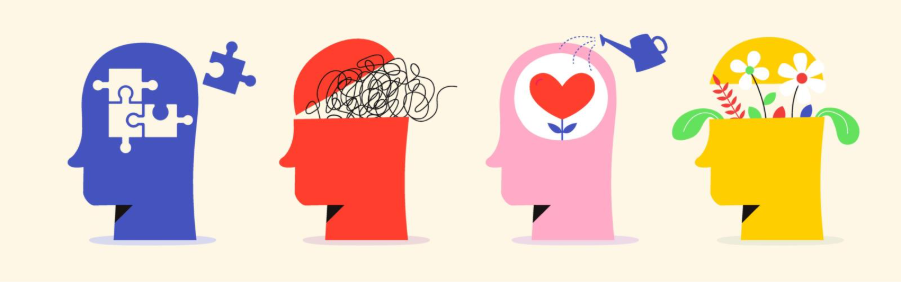
India faces a quiet crisis. Around 200 million people live with a mental illness. Fewer than one in five get treatment. As cities grow and traditional community supports fade, the problem will only get worse. Relying only on psychiatrists or psychologists will not solve it. There are too few specialists, and training takes years. Waiting until people are already ill is also the wrong approach. India needs a system that gives equal weight to prevention and recovery.
Some groups carry extra risk: soldiers, healthcare workers, airline staff, migrants, and people with a family history of mental illness. They need extra care.
Prevention starts with resilience. Children and young people can be given tools that protect their mental health for life. Day-care and early stimulation help infants. School programmes that build social and emotional skills reduce later risks of depression. Mentoring and internships give young adults support during a vulnerable stage.
But resilience is not enough. We must also reduce risks in the environment. Economic insecurity, unsafe housing, bullying in schools, and toxins like lead in paints all cause long-term harm. Programmes like rural job guarantees, flexible urban jobs, safer schools, and strict paint regulations can ease these stresses.
A third part of prevention is recognition. Some groups carry extra risk: soldiers, healthcare workers, airline staff, migrants, and people with a family history of mental illness. They need extra care. This may mean psychological first aid after trauma, changes in workplaces to reduce stress, or counselling for those with genetic risks.
Even with strong prevention, many people will still fall ill. Without good recovery systems, relapses rise and earlier gains are lost. But India cannot depend only on psychiatrists. Community health workers can help, but giving them clinical roles with only short training is unsafe. Studies show this can lead to misdiagnosis and harm.
Supported living programmes, such as Home Again, show how people can thrive outside institutions.
A better path is a tiered model. Community health workers focus only on observing signs and offering simple self-care materials. A smaller, certified group—Behavioural Health Aides—receive six months of training, work under supervision, and handle more complex cases. By keeping supervision concentrated on this group, risks are reduced, costs are controlled, and the model can scale.
Recovery in this model is flexible. Self-help videos and WHO group programmes support people with mild conditions. Behavioural Health Aides, guided by local doctors and remote specialists, deliver standard care for common disorders. Severe cases are handled by hospitals linked to psychiatrists through telemedicine. For people with chronic illness, recovery must also mean community and dignity. Supported living programmes, such as Home Again, show how people can thrive outside institutions.
India’s mental health crisis is not just about shortages. It is about strategy. By investing in prevention through schools, workplaces, and social policy, and by moving recovery into communities with certified cadres and long-term support, India can turn mental illness from an overwhelming crisis into a challenge that can be managed with hope and dignity.