




Background
The Sundarbans, located in the South 24 Parganas district of West Bengal, is one of India’s most geographically complex and climate-vulnerable regions. As a UNESCO World Heritage mangrove ecosystem defined by tidal rivers and estuaries, many settlements remain physically isolated. This lack of mainland infrastructure forces a heavy reliance on boats and ferries. Coupled with seasonal monsoon flooding, accessing essential services—particularly healthcare—is an extreme challenge.
Environmental threats such as cyclones and saline water intrusion directly jeopardize agriculture and drinking water. These geographic hurdles intersect with deep socio-economic fragility: nearly 40% of the population belongs to marginalized communities, and over half are classified as poor. Consequently, the region faces persistent public health crises, including waterborne diseases, malnutrition, and limited maternal and child healthcare.
Sundarban Social Development Centre (SSDC)
The Sundarban Social Development Centre (SSDC) emerged as a grassroots movement In response to these dire needs thrown up by the challenging geography and demography. Its origins trace back to the 1986 floods, when childhood friends Mr. Bhakta Prasad Purkait and Mr. Gopal Chandra Pramanik launched relief efforts in the Patharpratima block. This evolved into a collective initiative, leading to the formal establishment of SSDC in 1989.
A defining feature of their mission is the clinical boat service, which acts as a mobile lifeline for river-locked islands. By bringing doctors, diagnostic tools, and medicines directly to isolated jetties, SSDC bypasses the region’s severe connectivity issues. Initially operating from a modest rented room, SSDC reached a pivotal milestone in 1991 with a grant from CAPART for a Water, Sanitation, and Hygiene (WASH) initiative. Over three decades, SSDC has expanded significantly, providing specialized eye care, adolescent welfare, and maternal health services to the region’s most vulnerable populations.
Against many odds
Despite all these challenges, story after story emerging from these islands speaks to the quiet reform in public health being led from within.
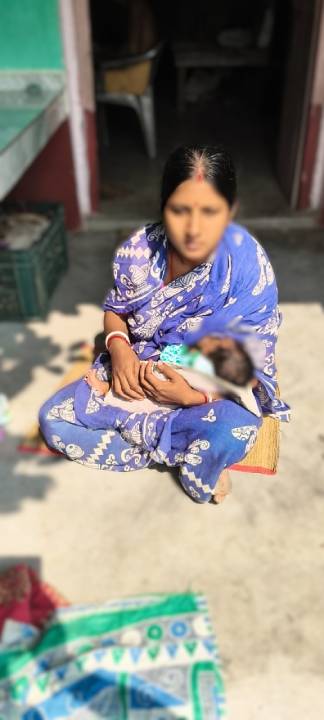
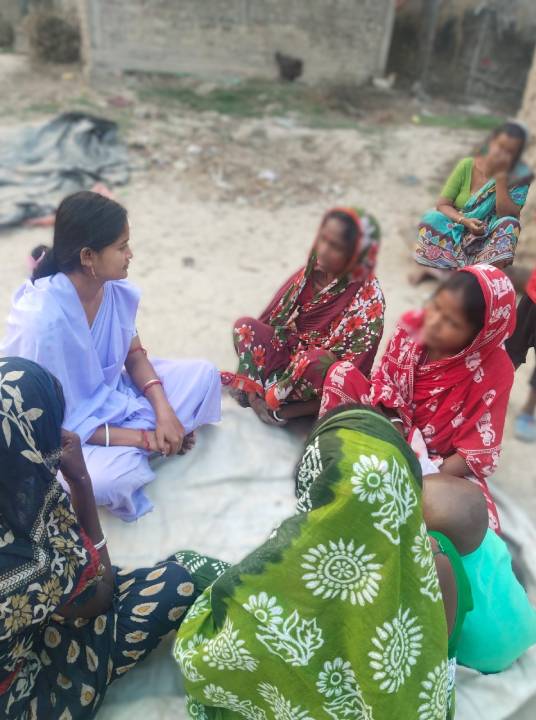
Story 1: When Debika Giri gave birth to her second child by Caesarean section, her joy was clouded by fear. Her first pregnancy had ended in a miscarriage and now she struggled to breastfeed her second child. Blaming the C-section and haunted by past trauma, she resorted to formula feeding. SSDC staff, however, provided a gentle but persistent presence. Through repeated home visits, they addressed her anxieties, explained the impact of stress on lactation and offered reassurance. With support, Debika regained confidence and shifted to exclusive breastfeeding—an outcome that highlights how mental health and postpartum counselling are as vital as medical care.

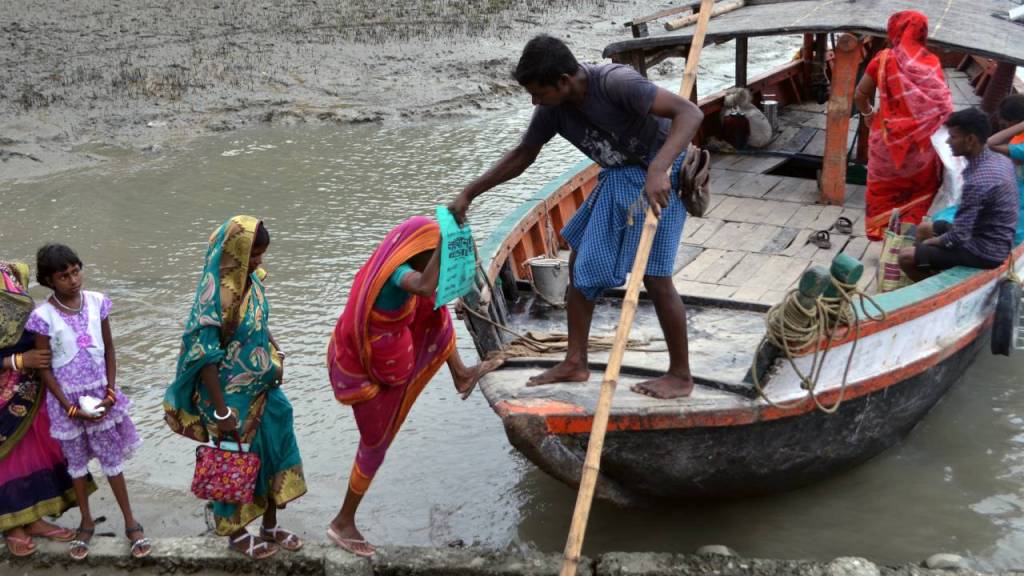
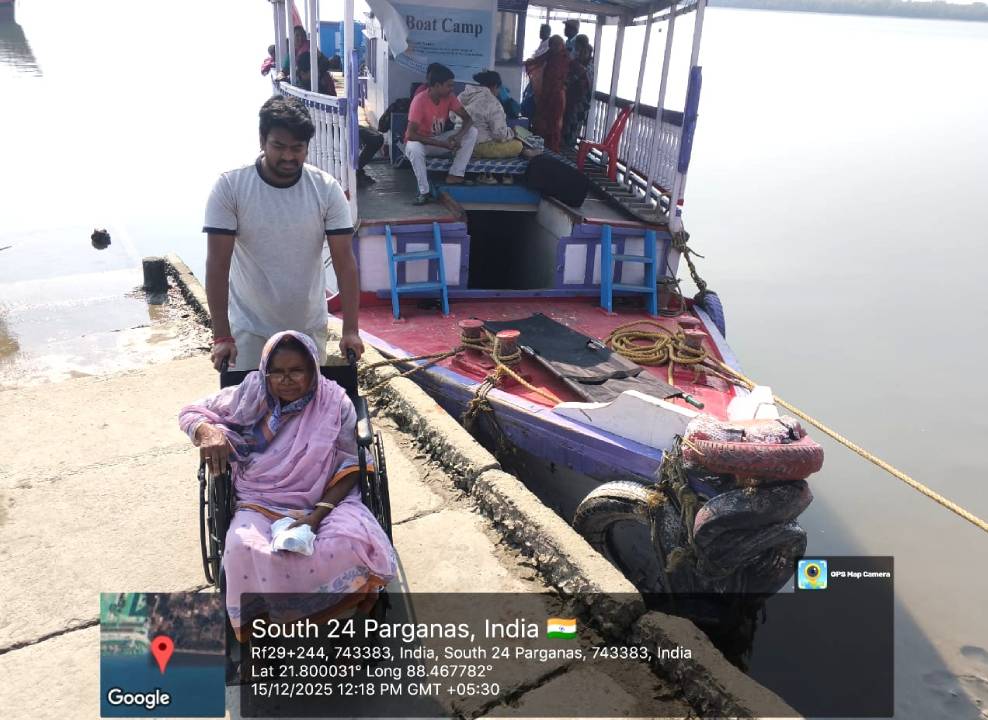
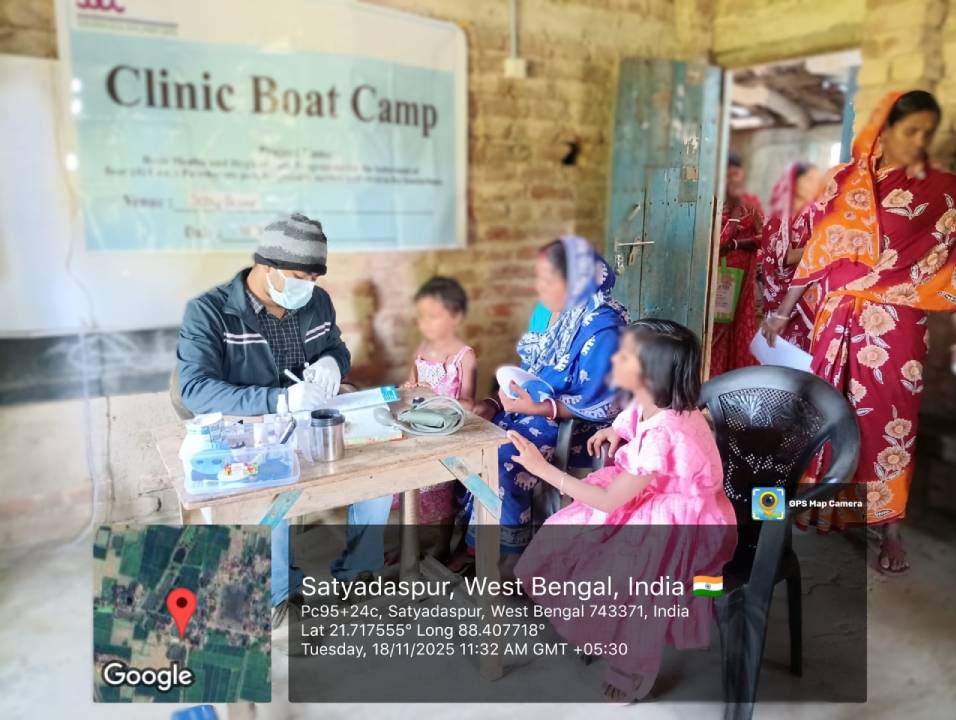
Story 2: Access itself is a formidable barrier in these parts, with villages requiring boat travel just to reach a health centre. SSDC’s solution: take the clinic to the people. Through its Health Clinic Boat Camps, SSDC has brought doctors, nurses, paramedics and medicines to four island panchayats. The camps offer antenatal care, child health services, NCD screening, skin disease treatment and health education. For many, this was the first time a doctor visited their hamlet. The regularity of these floating clinics has turned them into symbols of trust — no longer do people cross rivers for healthcare; healthcare now crosses rivers for them.
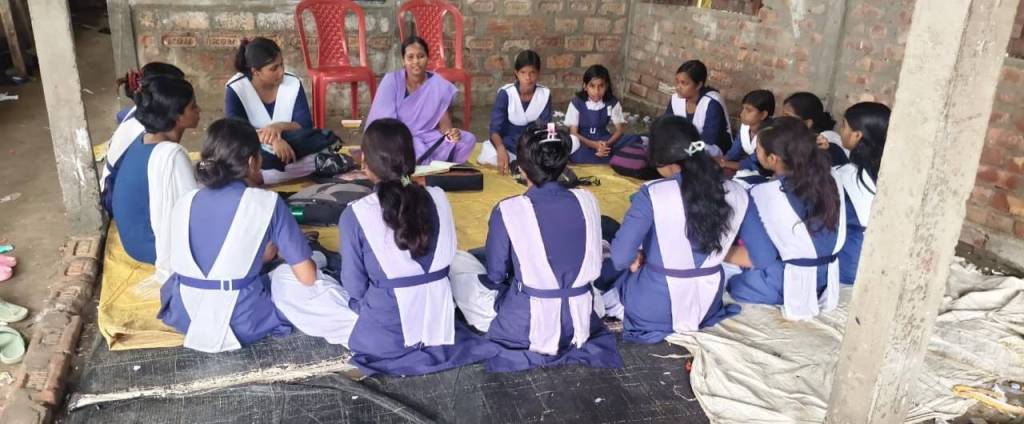
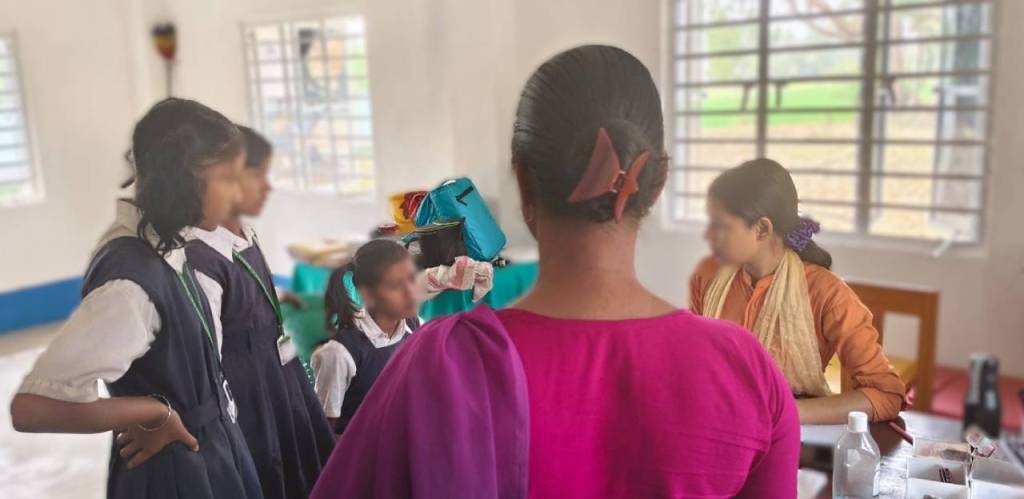
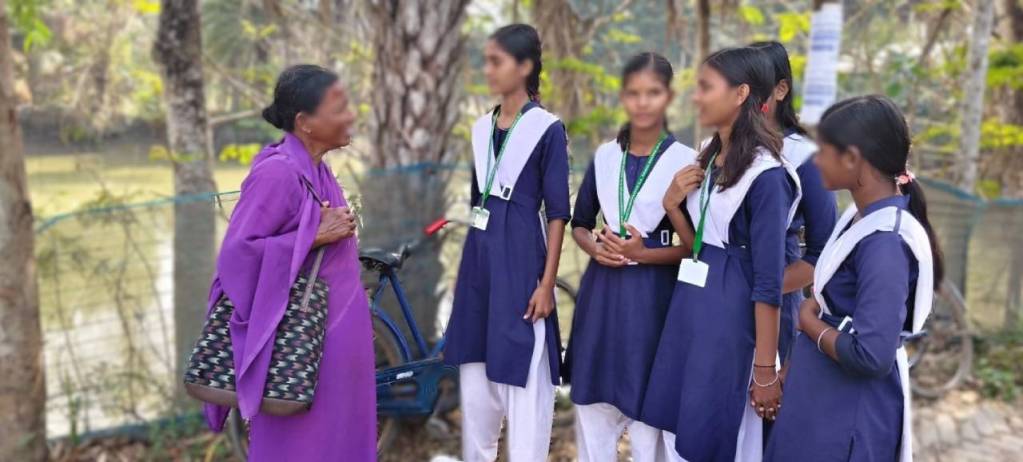
Story 3: The impact of health access goes far beyond illness treatment. In Kshetramohanpur village, adolescent girls long managed menstruation with cloth, often unhygienically. SSDC formed peer groups to discuss menstrual hygiene, personal care and early marriage. Through these sessions, girls learned about sanitary napkins and began demanding access from health workers. What began as individual awareness has now grown into community-level change, where girls advocate for their peers and hold public systems accountable.
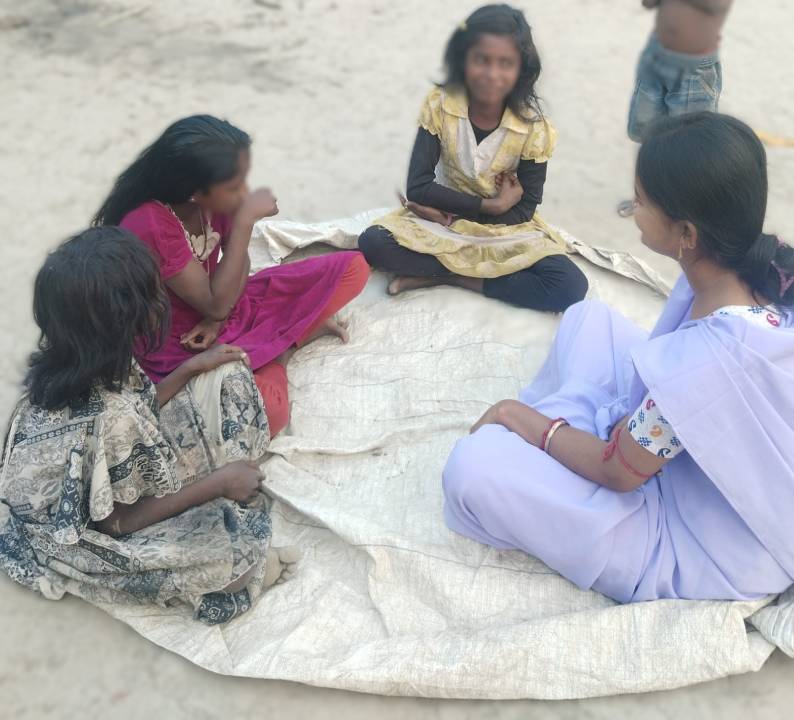
Story 4: Reaching tribal communities required even deeper trust-building. In Satya Daspur village, 100 indigenous families had never accessed formal healthcare. Men, women and even pregnant mothers trekked into forests for honey or fished in the river, often staying away for days. Substance addiction and malnutrition were widespread. SSDC’s approach was simple: consistent visits, camps within the village and slow but steady relationship-building. Over time, families began participating in checkups, especially pregnant women. On medical camp days, entire families now stay home awaiting the doctor — a shift that marks not just improved service delivery but restored faith in the health system.
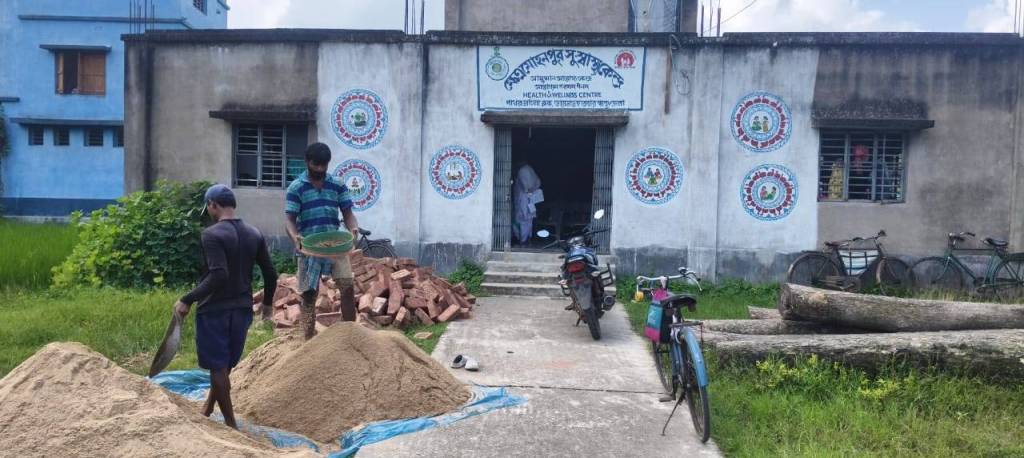
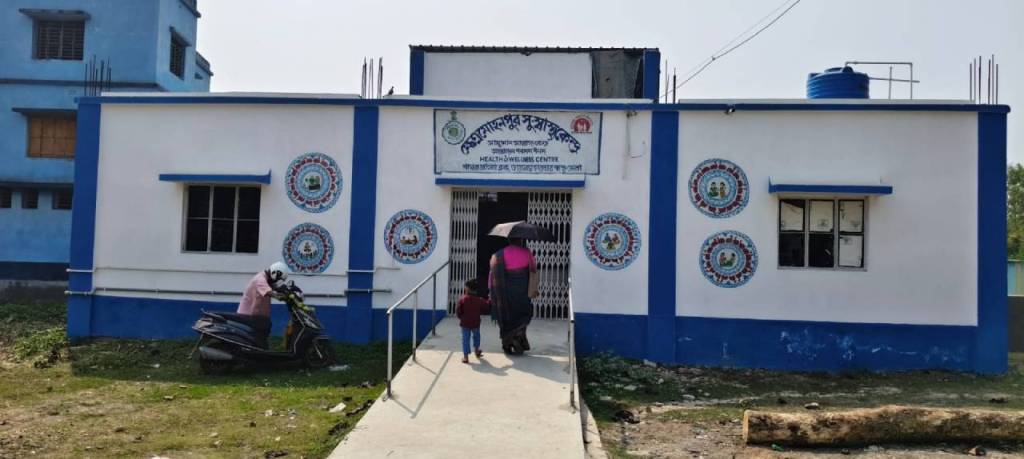
Story 5: Even infrastructure told a story of neglect. The sub-centre in Brajaballavpur, built in 1979, operated initially from a broken clubroom and later from a four-walled shell with no toilet, drinking water, or ramp. Despite the presence of dedicated health staff, it lacked dignity. SSDC’s intervention gave it a second life: fresh paint, seating, an elderly-friendly toilet, drinking water, and a proper ramp. Today, it is a functioning, respected sub-centre —an example of how even modest investments in infrastructure can transform both service quality and community perception.
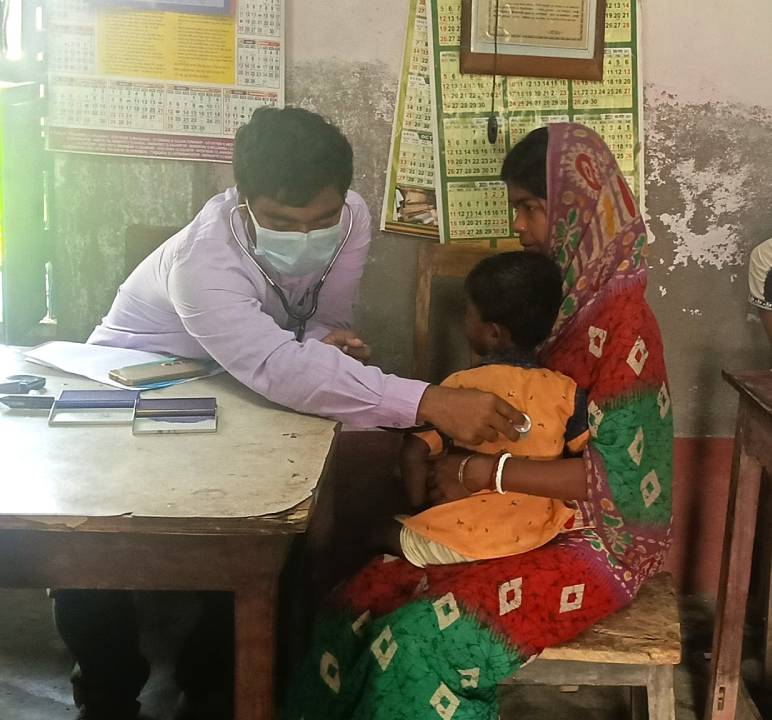
Story 6: In Chhoto Banashyamnagar, SSDC’s work with a malnourished child, Srikrishna Giri, showcases the power of continuous engagement. Weighing just 8.7 kg at nearly three years of age, he was diagnosed with Severe Acute Malnutrition. His mother, unaware of age-appropriate nutrition and constrained by poverty, had been feeding him adult food. Through cooking demonstrations, mothers’ group meetings and consistent follow-ups, the child’s weight improved to 10.2 kg in three months, shifting him to the moderate malnutrition zone. His mother now maintains hygiene, attends regular growth monitoring and shares her learnings with others.


Each of these stories shows what’s possible when care is delivered with consistency, respect and context. SSDC’s model in the Sundarbans doesn’t just fill gaps — it rebuilds the bridge between people and their right to health.