




Overview
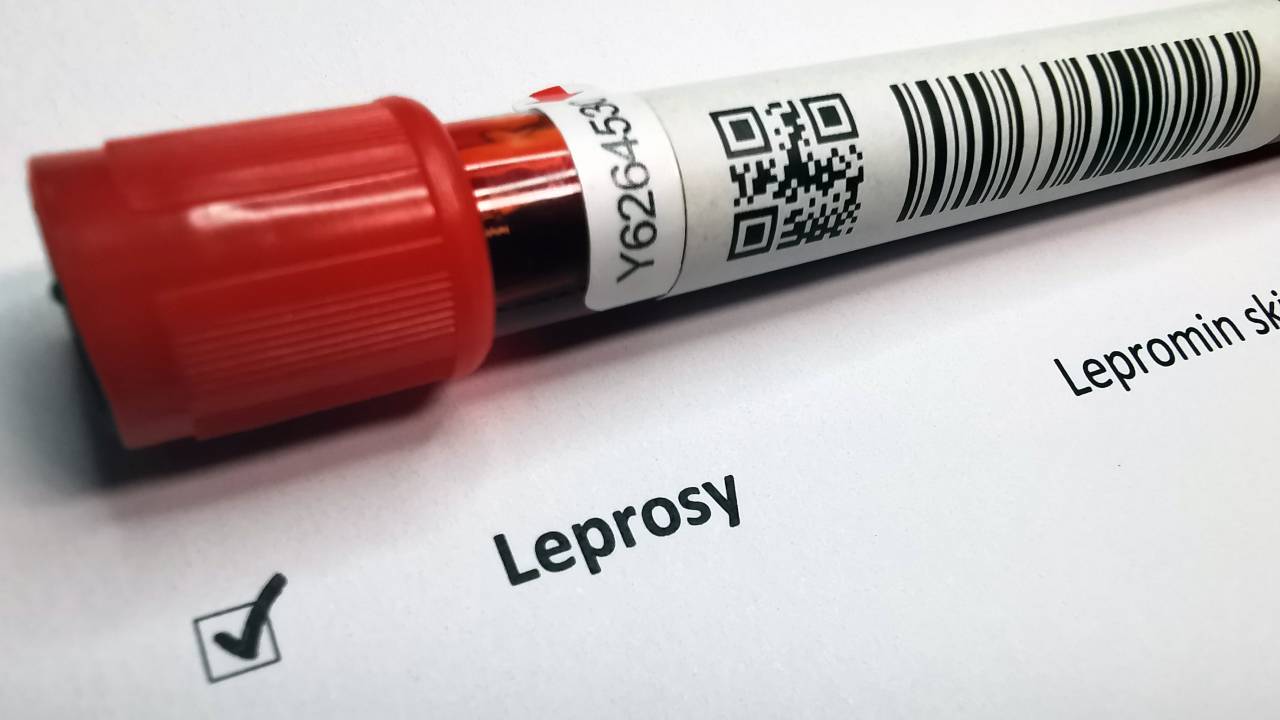
My recent field visits with the partner organization, LEPRA, in some Leprosy affected regions left a profound impression on me. Leprosy (Hansen’s disease) is a chronic infectious disease caused by Mycobacterium leprae that primarily affects the skin, peripheral nerves, mucosa of the upper respiratory tract, and the eyes (WHO, 2026)1. Leprosy is preventable and manageable when detected early and supported adequately, yet many affected people continue to live with disability, exclusion, and fear. Without adequate treatment, it can cause progressive and irreversible nerve damage, muscle weakness, and disabling deformities.
For over 35 years, LEPRA Foundation has been delivering person-centred healthcare across 11 states in India, supporting people affected by leprosy, lymphatic filariasis, tuberculosis, HIV, eye diseases and other neglected tropical diseases. Through Continuum of Care from early detection and treatment to rehabilitation and social inclusion, LEPRA focuses on transforming lives, strengthening public health systems and building healthier, more inclusive communities.
Field visits with LEPRA in rural areas of Hyderabad, Odisha, and Chhattisgarh provided detailed insight into the daily lives of people affected by leprosy. We visited some health facilities, referral centers, and patient homes to understand the work done by LEPRA for leprosy patients and the challenges faced by them. LEPRA stands with children, women and men affected by leprosy and other neglected diseases, helping them regain health, dignity and livelihoods. Beginning with Multiple Drug Therapy (MDT) support in 1989 and growing into intervention across 156 districts in Andhra Pradesh, Telangana, Odisha, Bihar, Jharkhand, Madhya Pradesh, Uttar Pradesh, Chhattisgarh, and Delhi, the organization addresses missed diagnosis, disability prevention, wound care, rehabilitation and social inclusion.
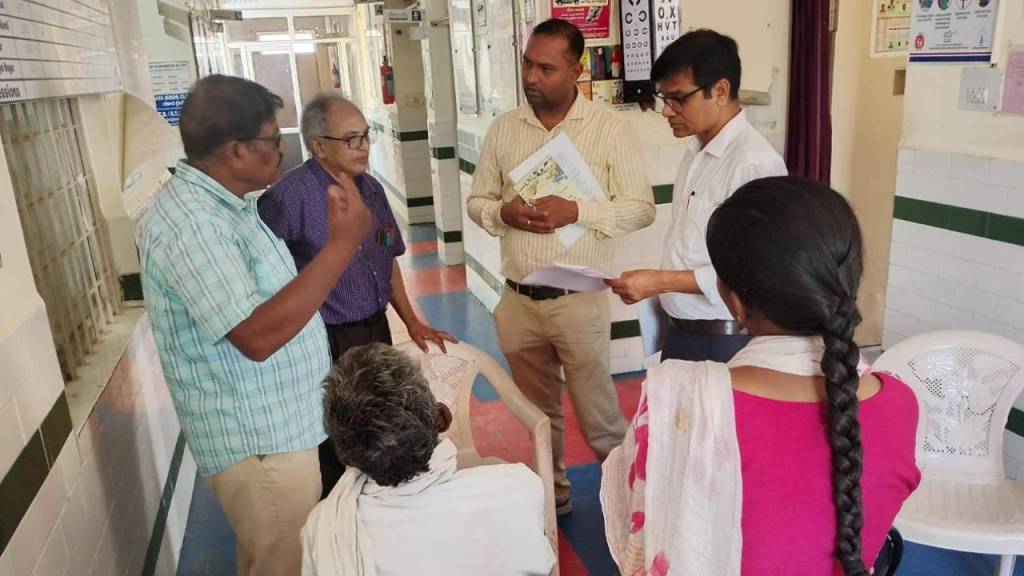
The field observations indicate that the impact of leprosy extends beyond clinical symptoms to affect livelihoods, education, mobility, family relationships, dignity, and social participation. These visits also made it clear that the experience of illness is deeply social and economic, not only medical.
For many communities, leprosy is still linked to old myths that it is a curse, a punishment, or something highly contagious even after treatment. Because of this, people with leprosy are often pushed out of social gatherings, excluded from wells or temples, or even rejected by family members.
Key Field Insights
Layered Vulnerability, Stigma and Economic insecurity
Leprosy is not just a bacterial infection; it is a condition that amplifies the vulnerabilities people already carry. Many who develop leprosy come from backgrounds of poverty, live in crowded homes, lack easy access to health care, or belong to communities that are already overlooked by systems of support. When they get infected, the disease adds new burdens: nerve damage, skin changes, ulcers, and sometimes visible disabilities and deformities. These changes do not just affect their bodies; they affect how they are seen and treated by others. Over time, these layers of disadvantages stack up: poverty makes early diagnosis harder, delayed diagnosis leads to more disability, and disability invites more discrimination. The result is a cycle where the most marginalized people end up carrying the heaviest burden, with fewer chances to break free.
One of the patients shared that people were not allowing him to work due to visible deformities. This situation demoralized him but with help from the LEPRA team, he was able to restart his life with his own business.
Once a person is diagnosed, stigma often follows quickly. For many communities, leprosy is still linked to old myths that it is a curse, a punishment, or something highly contagious even after treatment. Because of this, people with leprosy are often pushed out of social gatherings, excluded from wells or temples, or even rejected by family members. Their children may be bullied at school, and spouses may even leave them. This social rejection spills into their economic lives. Employers often dismiss them, and neighbours stop buying from them. Their own physical limitations sometimes make work harder. At the same time, they face costs for treatment, wound care, and travel to clinics. As income shrinks and expenses grow, families slide deeper into poverty, which then makes it harder to access care and stay healthy. In this way, stigma and economic insecurity feed each other, turning a treatable disease into a long-term crisis of dignity, livelihood, and belonging.
In many cases, physical impairments reduced their ability to work, travel, or participate in wage-earning labor, pushing already fragile households into deeper financial insecurity.
One of the patients shared that he could not work and earn income for his family due to leprosy related symptoms which were very painful. He shared that “My daughter is taking care of me for everything, and I really feel helpless due to leprosy. After starting treatment, I am feeling better and hope I will be able to work again soon”.
For people affected by leprosy, visible deformities or disability often became the basis for judgement and distancing by others. Stigma, prejudice, and discrimination remain major barriers in leprosy, even though the disease is curable and disability can often be prevented through early treatment. This gap between medical possibilities and lived social reality was visible in conversations where illness had become tied to shame, silence, or delayed help-seeking. One of the patients shared that people were not allowing him to work due to visible deformities. This situation demoralized him but with help from the LEPRA team, he was able to restart his life with his own business. Now slowly people are accepting him as part of society and fear is decreasing somewhat.
The visits showed a two-way relationship between poverty and neglected tropical diseases. Low-income households had fewer resources for early treatment, transport, wound care, hygiene support, assistive items, or follow-up care. At the same time, disability reduced capacity for earning, increased dependency, and often forced other family members to divert time from work or schooling to caregiving. This cycle was especially visible among daily wage earners and informal workers, for whom even a few missed workdays meant impact on sustenance or increase in debt. In this way, leprosy was not only a health condition but driver of long-term economic insecurity.
The visits underlined that clinical treatment alone is not enough. Patients often need continuing wound care, management of swelling, pain relief, self-care guidance, mental health support, and referral pathways that are reachable.
Needs go beyond medicine
Leprosy is not only affecting physical and mental health, but it also affects education and social inclusion. Children and young people in affected households may miss school and higher studies because of caregiving responsibilities, household labor, migration, or financial strain. Many children and young people living with leprosy are forced to drop out from education systems, putting their future earning potential at risk. Adults living with leprosy described how limited education reduced their employment options and their ability to navigate entitlements, treatment pathways, and public systems. A larger barrier remains social exclusion: visible deformities and myths about contagion lead classmates and community members to avoid people with leprosy, deepening stigma and harming mental well‑being.
The visits underlined that clinical treatment alone is not enough. Patients often need continuing wound care, management of swelling, pain relief, self-care guidance, mental health support, and referral pathways that are reachable. For many, the challenge is not whether treatment exists in policy, but whether it is accessible, regular, respectful, and affordable in practice.
Low community awareness and reliance on traditional healers
In many communities where leprosy still exists, people simply do not know what the disease looks like in its early stages. A pale patch on the skin, an area that feels numb, or a loss of sensation in the fingers or feet is often seen as something small, a skin irritation, an allergy, or just part of aging. The idea that leprosy is curable and can be treated with medicine has not reached everyone, especially in distant villages where health workers rarely visit and information travels slowly.
Until health systems find ways to work with these traditional caregivers, to educate them and include them in referral networks, many cases will continue to slip through the cracks, only discovered when disabilities are already visible and life has already been altered.
When people do not understand the disease, fear takes over. They worry it might be a sign of bad luck, a spiritual problem, or something that will never go away. Because of this, they wait too long before visiting a clinic, and by the time they do, the disease has already caused damage that cannot be undone.
In the absence of clear information and trust in medical services, many people turn first to the people they know and rely on — traditional healers, local elders, astrologers, or religious leaders. These figures are part of daily life, often easier to reach than a doctor, and they offer care that feels personal and meaningful. They may give herbs, suggest prayers, perform rituals, or share home remedies that address both the body and the spirit. For many families, this is the first and most natural step. But traditional healers cannot test for leprosy or prescribe the antibiotics needed to stop it. So while people are seeking help, the infection continues to spread inside the body, quietly damaging nerves and skin. Until health systems find ways to work with these traditional caregivers, to educate them and include them in referral networks, many cases will continue to slip through the cracks, only discovered when disabilities are already visible and life has already been altered.
Interventions from LEPRA to support Leprosy patients
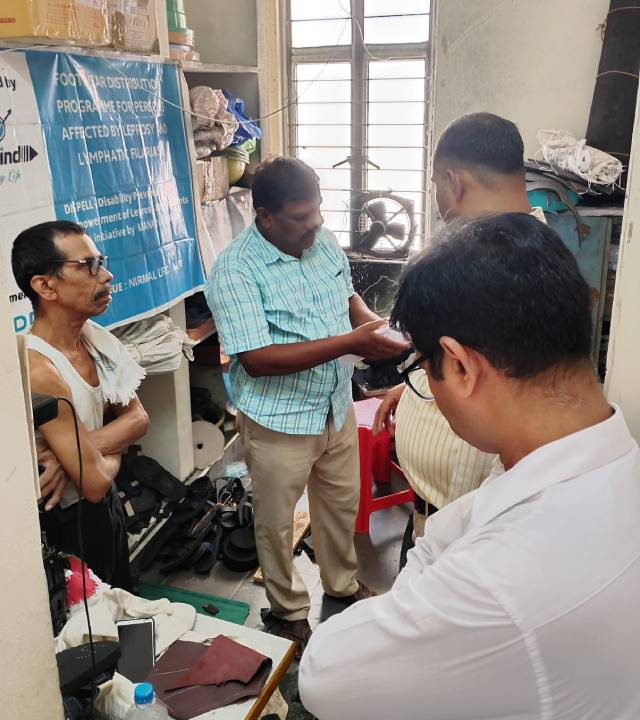
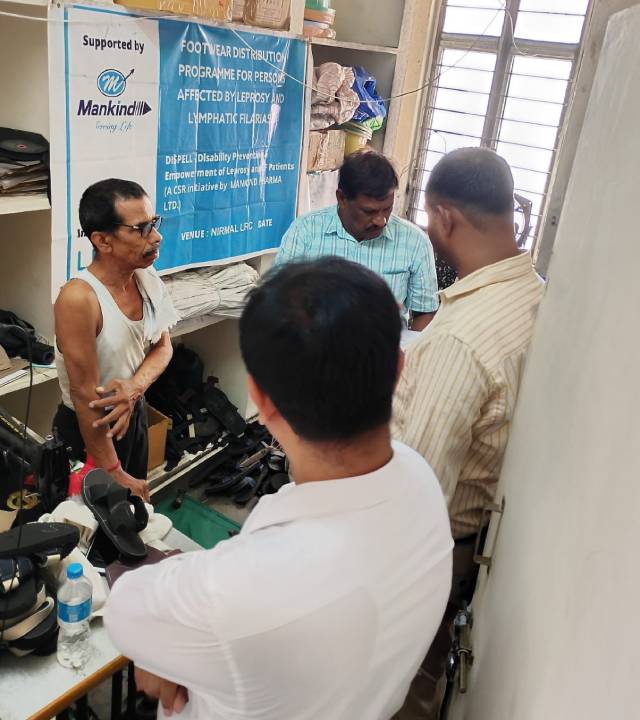
Assistive Devices: One of LEPRA’s most impressive initiatives gives specially designed slippers to people living with leprosy. Nerve damage from the disease can make every step painful and exhausting, leaving many unable to move freely or take up work. These slippers ease pain, restore safer, steadier walking, and bring back simple freedoms, like visiting the market or travelling to a job, that rebuild dignity and hope. This simple support not only increases freedom of movement but also creates real opportunities to restart work and regain economic independence.
Awareness workshops: LEPRA has organized various workshops with traditional healers for their awareness generation to ensure early diagnosis and referrals of leprosy patients which is quite impressive. During interaction with one of the traditional healers, it was observed that he was able to identify symptoms of Leprosy and ensure his full support for referring the patients to a nearby health facility. LEPRA is also strengthening local awareness through group meetings, engaging trusted community leaders and healers as partners, and improving early referral pathways.
Early diagnosis and Treatment support: LEPRA field workers go into homes and villages, not just to look for cases but to sit with people, listen to their worries, and gently teach them what early leprosy looks like, a pale patch that doesn’t feel anything, a foot that goes numb, a hand that can’t grip properly. When someone is diagnosed, LEPRA doesn’t just hand over medicine; they stay with them through the entire treatment, making sure doses are taken, fears are addressed, and no one is left alone. They help manage wounds, support rehabilitation, and work to reduce the shame that often follows diagnosis. But LEPRA also understands that healing goes beyond medicine. They connect patients with livelihood support, help them reconnect with their communities, and advocate for their rights, because for them, curing leprosy means restoring a person’s confidence, dignity, and ability to live without fear of rejection.
Programmatic Reflections
The field experiences highlighted the importance of adopting a holistic approach to leprosy care. While timely diagnosis and treatment remain essential, long-term wellbeing also depends on addressing psychosocial needs, strengthening self-care practices, supporting rehabilitation and livelihoods, and providing counselling where needed. In parallel, community awareness and engagement efforts involving schools, community leaders, and frontline health workers are critical to reducing misconceptions and fostering acceptance and social inclusion.
Subscribe to stay connected
We will send you a monthly newsletter listing all the articles that were published in the month.
The visits also emphasized the importance of restoring dignity and hope. Many people said they received little financial or practical support after treatment, making it difficult to rebuild their lives. Rehabilitation services and mental health support were limited, even though they are essential for helping people regain confidence and independence. Supporting children to continue their education, ensuring respectful follow-up care, and linking affected families with social protection and livelihood programmes can make a lasting difference. These visits reinforced that success in leprosy control is not only about stopping the disease, but also about helping people return to their communities with confidence, opportunity, and dignity.
Acknowledgment: I would like to thank LEPRA Field teams for their support in these visits and Prashant Kesharwani and Bevin Vinay, Assistant Professors at Azim Premji University, Bhopal for peer review support.
1 WHO. (2026). Leprosy, Who.int; World Health Organization: WHO. https://www.who.int/news-room/fact-sheets/detail/leprosy