




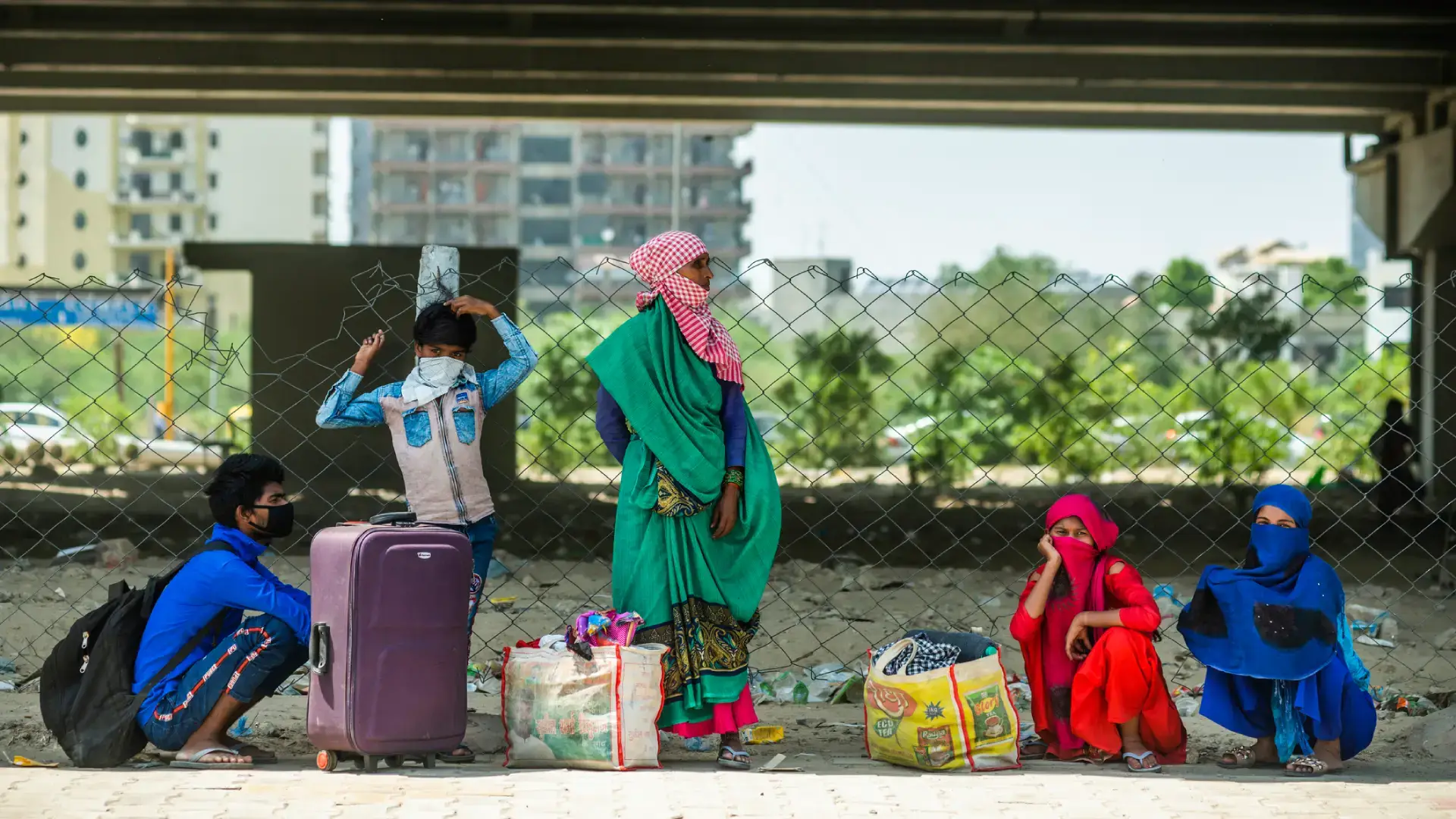
Families and individuals from distant corners of India have long been moving to Bangalore in search of work and survival. In their villages, jobs are scarce and earnings too little to support a family. With hope for a better future, they make the long journey to the city.
When they first arrive, everything is unfamiliar. The city brings hardship, an unfamiliar language, and even the weight of its refuse at their doorsteps. With no permanent housing, families settle into clusters of tin sheds.
Each family lives in a single small room – managing with just three barrels of water for the week and sharing a bathroom with nearly fifteen households.
The absence of a drainage system makes hygiene a constant struggle.
Despite these conditions, they work hard to survive. Jobs typically are in waste segregation, construction work, or delivery services for quick commerce companies. Women often work as housemaids or provide beauty services in nearby homes. Their earnings help put food on the table, but the income is unstable, and life remains hand-to-mouth.
Each family lives in a single small room – managing with just three barrels of water for the week and sharing a bathroom with nearly fifteen households.
Healthcare is another major hurdle. Limited awareness of public health services, distant hospitals, language barriers, and the lack of state government ID cards push residents toward costly private clinics or unqualified practitioners. Many rely on local pharmacies or small clinics, where expenses are high and care uncertain.
What is described holds true for many migrants who settle in different parts of the city. One such settlement is in Thubarahalli in Bangalore. Here, Thanal (a not-for-profit organization) has recently begun some work on addressing these challenges. Through a cadre of community health workers, they seek to address this gap.
The intervention
Living in the same settlements and trained in health, the community health workers visit families door-to-door, sharing information related to health in simple terms and support in accessing the public healthcare systems in the city. They are hired and trained by the organization and have deep connections in the community. Their presence fills a critical gap, offering reassurance and practical help.
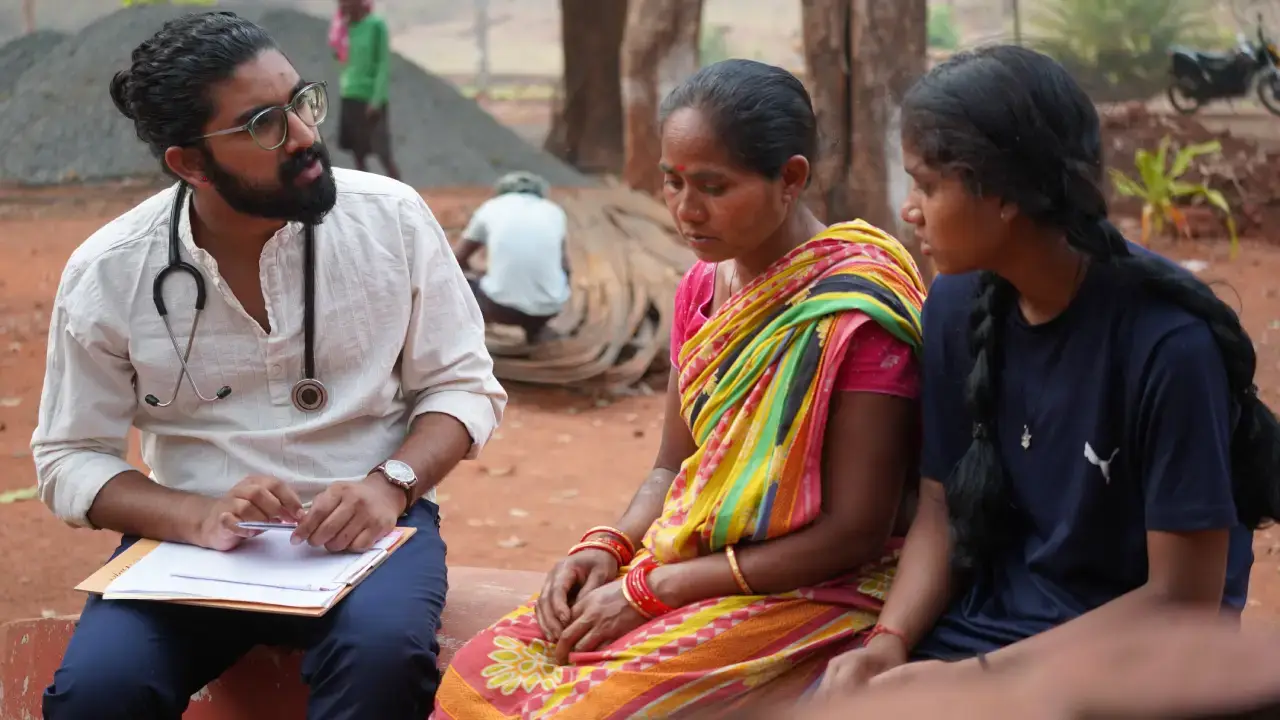
From connecting families to clinical care, and helping them access medicines and lab tests, the community health workers make healthcare less distant for Thubarahalli’s residents.
Babita’s Journey to Safe Motherhood
Babita, a 26-year-old woman from West Bengal, lives in the Thubarahalli settlement with her husband and three young children. The family has been in Bangalore for nearly five years. Her husband works as a waste segregator and sometimes takes on food or grocery delivery work with one of the quick commerce providers. Babita works as a housemaid in nearby apartments.
From connecting families to clinical care, and helping them access medicines and lab tests, the community health workers make healthcare less distant for Thubarahalli’s residents.
When Babita was pregnant with her second child, she had returned to her native place in West Bengal for delivery. At that time, she felt unsure about accessing services in Bangalore and relied on the familiarity of her village and family support.
When she became pregnant for the third time, the situation was different. Kabita Kumari, one of the community health workers, was regularly visiting the settlement.
Subscribe to stay connected
We will send you a monthly newsletter listing all the articles that were published in the month.
Kabita explained to her that pregnancy registration process, the Thayi card (Mother and Child Protection – the MCP card), and all delivery services in government hospitals could be accessed free of cost in Bangalore.
This assurance gave Babita the confidence to stay back in the city instead of returning to her village. Kabita had guided Babita step by step. She helped her register the pregnancy, obtain the Thayi card, and document her medical history. She encouraged Babita to complete all antenatal checkups and provided health education on diet, iron and calcium tablets, and the importance of identifying danger signs.
Kabita explained to her that pregnancy registration process, the Thayi card (Mother and Child Protection – the MCP card), and all delivery services in government hospitals could be accessed free of cost in Bangalore.
As the pregnancy advanced, Kabita counselled Babita and her family on birth preparation. She advised them to keep some savings ready for transport and essential items, explained how to arrange timely travel to the hospital, and discussed family planning options after delivery. Kabita also linked Babita to the nearby government Primary Health Centre (PHC), where she attended all her antenatal care checkups and kept her Thayi card updated.

Babita’s journey shows how the presence of a community health worker in such urban settlements can help pregnant women access maternal and child health services. Thanks to the support of a community health worker, Babita was able to stay on in Bangalore, access free services, and ensure a safe delivery for her child.
In the last month of pregnancy, Kabita made her visits more frequent to make sure Babita was prepared for delivery. With this continuous support, Babita completed all antenatal care visits and remained confident about her health. When the time came, Babita delivered her baby safely at Vani Vilas Hospital (a government hospital) in Bangalore. Even after delivery, Kabita continued to support her by counselling on newborn care, vaccination schedules, and family planning methods.
Babita’s journey shows how the presence of a community health worker in such urban settlements can help pregnant women access maternal and child health services. Thanks to the support of a community health worker, Babita was able to stay on in Bangalore, access free services, and ensure a safe delivery for her child.