




Meera, a nurse in a primary healthcare clinic, examines 4 years old Kali who is running high fever for 3 days. She tests for Malaria and in 15 minutes the diagnosis is confirmed. On measuring her weight and height, she finds Kali to be severely malnourished.
Meera calls a doctor and together they plan the treatment, and Kali is sent home with oral medicines and Ready to Use Therapeutic Food. Two days later Kali is back for follow-up: her fever is down, appetite is better. A scenario that was unimaginable two decades ago.
In a way, it started at an international conference on primary healthcare in 1978 at Alma Ata, in the erstwhile USSR. It led to the landmark Alma Ata Declaration.
In the declaration, primary healthcare was defined as essential healthcare based on practical, scientifically sound and socially acceptable methods and technology, made universally accessible to individuals and families in the community, through their full participation and at a cost that the community and country can afford.
The declaration led to increased focus on affordable and accessible primary healthcare and has led to much improved healthcare even in remote locations.
In a way, it started at an international conference on primary healthcare in 1978 at Alma Ata, in the erstwhile USSR. It led to the landmark Alma Ata Declaration.
At the time of the declaration, Malaria was confirmed by microscopy, a procedure needing few hours or in most cases, few days. Often the diagnosis was delayed, leading to complications: severe anaemia, low blood sugar, and even coma.
It was unthinkable that a child with Falciparum Malaria could come to the health facility walking, as we see happening now.
There is more that has changed. Thanks to better telephone and net connectivity our nurses are able to make calls and share patient videos with doctors, arrive at the diagnosis, and start the needed treatment.
Insecticide treated bed-nets and new drugs such as Artesunate are new weapons in our arsenal for the fight against malaria.
Our Management Information System alerts us to outbreaks quickly and helps mount the needed response: in 2024 when the number of diarrhoea cases started increasing, our team conducted a community surveillance. They visited 100 households in 6 hamlets, identified 86 cases of diarrhoea, distributed Oral Rehydration Solution (ORS), and counseled families for hygiene and home care. This helped in alerting the communities and in controlling the outbreak.
What else is changing in rural primary health care?
Diabetes and Hypertension were previously thought to be conditions affecting the urbans, but no more. Even in remote villages in south Rajasthan, people are familiar with ‘sugar’ and ‘BP’, and know someone who is affected.
The care for these conditions has also evolved — availability of digital BP apparatus and easy-to-use glucometer has made home monitoring possible.
For Type 1 Diabetes newer approaches for treatment, such as Basal Bolus and availability of a wide range of Insulins has made the regimen simpler with less rigid guidelines for time of Insulin administration, when to eat and what to eat; bringing relief for affected children.
Changes in the preventive landscape are not far behind.
From having very few vaccines in 1978, we now have many more, such as against common causes of childhood pneumonia, diarrhea and meningitis.
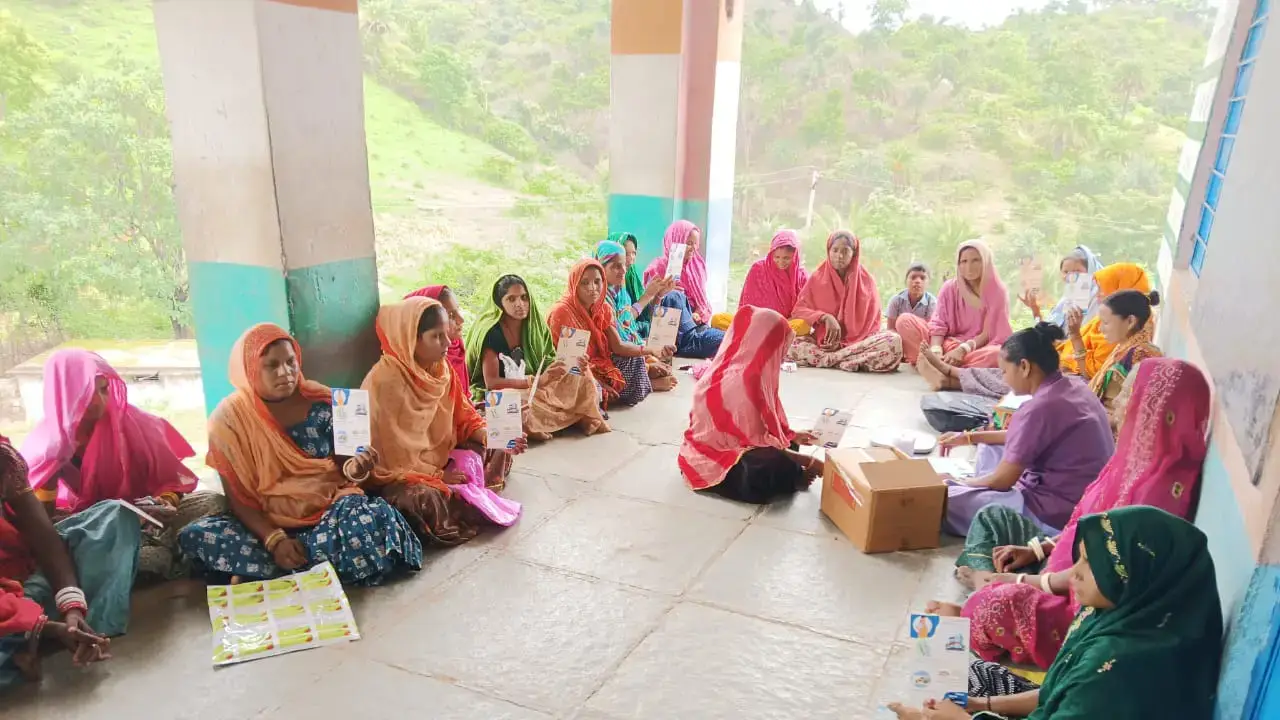
BHS A Community Meeting in a Remote Village
There is a decline of diseases like Diphtheria and Polio, and an emergence of newer ones — COVID, Dengue, and Chikungunya, to name a few. However, effective vaccines against diseases that mainly affect the poor, such as Tuberculosis and Malaria remain elusive.
From having very few vaccines in 1978, we now have many more, such as against common causes of childhood pneumonia, diarrhea and meningitis.
The variety of services possible within primary health care is growing, as our work in the last 12 years shows: nutrition (especially for malnourished children and those with Tuberculosis), occupational health (TB and Silicosis being the key diseases), mental health, and physiotherapy (for promoting health and also curative care).
The newest addition for us is building motivation and leadership of the nurses and midwives, a step towards making services more gender transformative. As expected, our team now is much more diverse than when the work began.
We serve predominantly tribal communities through community health work and our clinics (called AMRIT Clinics) are in remote, rural areas of South Rajasthan. Growth of rural roads here as well as in other similar areas elsewhere has opened up possibilities of transporting patients requiring referral care. Similarly, availability of internet connectivity enables a frontline healthcare worker also to seek consultation and guidance from doctors, remotely.
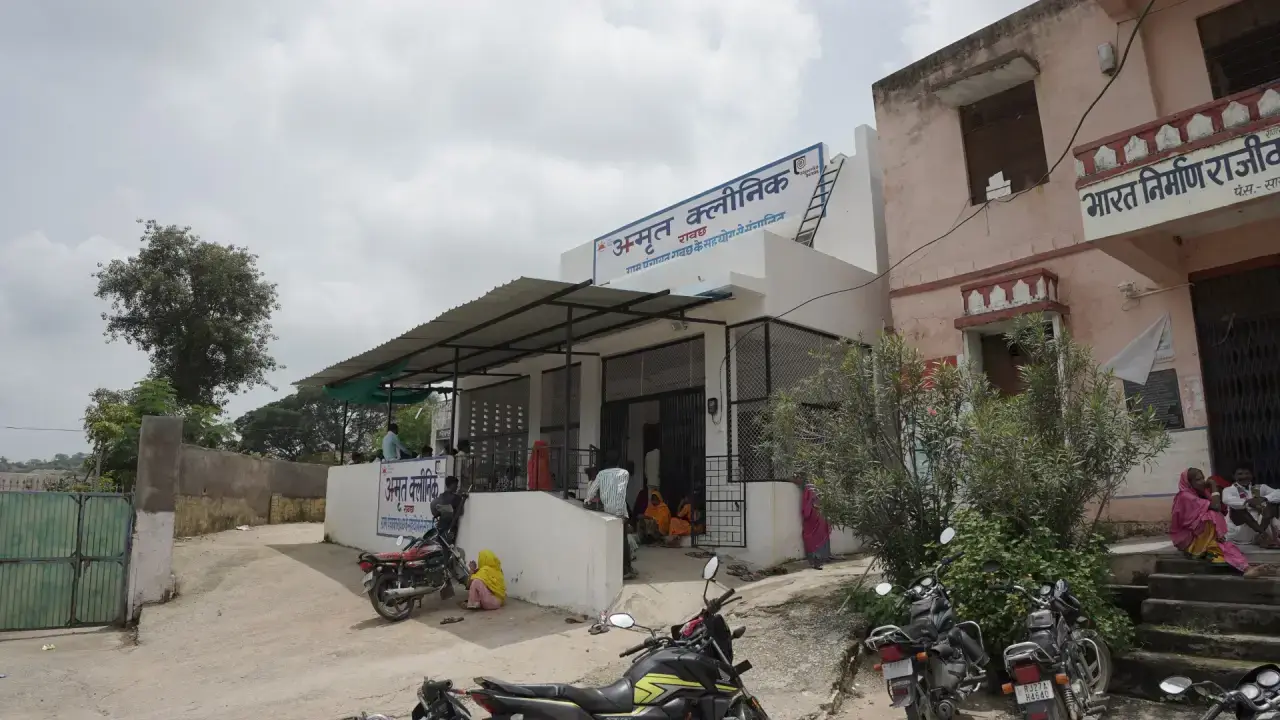
BHS A Busy Day at an AMRIT Clinic
Primary care nurses at our Clinics have, in times of emergency, managed complications of childbirth, diabetic emergencies, and acute cases of chronic lung disease, guided by physicians through WhatsApp video calls.
They have also been able to transport sick patients to city hospitals after stabilization, something that would not have been possible two decades ago, because of poorer roads.
Finally, there is greater acceptance of suitably skilled non-physician mid-level health providers, especially nurses for delivering primary healthcare. The last two decades have seen a huge increase in and the training and availability of qualified nurses, even in some of the most underserved and remote areas.
Primary care nurses at our Clinics have, in times of emergency, managed complications of childbirth, diabetic emergencies, and acute cases of chronic lung disease, guided by physicians through WhatsApp video calls.
Our own experience has shown that suitably skilled, mandated and supported, nurses deliver compassionate and quality care. Those nurses who come from rural communities are able to live and work in remote communities with greater ease, and are able to build trust easily.
Since Alma Ata, what is practical, socially acceptable and scientifically sound has expanded hugely. However universal accessibility remains a far dream.
Despite these possibilities, there remain huge disparities in health outcomes — between rural and urban, rich and poor, and privileged and under-privileged castes.
Subscribe to stay connected
We will send you a monthly newsletter listing all the articles that were published in the month.
For example, occurrence of TB is almost 4 times higher among tribal populations than others; and rural poor, on an average, live a decade less than their urban affluent counterparts.
In our own areas, we see how in the absence of affordable, quality, and responsive healthcare, many people lose their assets and dignity, having spent thousands of rupees on easily manageable conditions.
Despite these possibilities, there remain huge disparities in health outcomes — between rural and urban, rich and poor, and privileged and under-privileged castes.
In many forums of clinicians and healthcare professionals, we often hear of primary healthcare as a place that “treats choti-moti bimari” (minor illnesses). Few lament that this does not give them an “adrenaline rush”, hence they prefer working in large hospitals.
Our own experience though points to the reverse: primary healthcare in rural areas is a myriad of innovations and exciting possibilities and makes a huge difference in the health and well-being of people, who are often invisible and left out of the realm of care with dignity.
We invite you to be a part of this exciting and meaningful journey!