




She had just turned two. Her fever would not abate; and when the seizures started, the local doctor told her parents, tribals from a small hamlet, he could no longer treat her.
Then their ordeal began. After a week in the ICU of a big Government hospital, she was discharged as ventilated beds were unavailable. A private hospital agreed to admit the child, two more weeks in the ICU, before here too the doctor gave up. On to a third hospital, brain surgery, two further weeks in the ICU, before the child finally gave up.
Imagine this little child, her weeks in the ICU, comatose with drugs and tubes. Imagine her parents, stepping out of their tribal hamlet into the city, unable to hold their child in her last days, always scrambling for money to pay medical bills — and in the end losing their child and getting saddled with a lifelong debt.
Our initial understanding was that this child’s case represented the inadequacy and apathy of hospitals. But as we went deeper, we realized the fundamental failures that let this tragedy unfold happened earlier.
The child had tubercular meningitis, which is when TB spreads to the brain. If diagnosed late in young children, it tends to be fatal. We learnt she had a history of chronic pneumonia, was weak and malnourished. If her mother had not been anemic during pregnancy, if she was born with a healthy weight, had received appropriate nutrition, if her signs of disease were identified early and appropriately treated, she may never have needed to enter a hospital.
Distressed by incidents like this, a few years ago, we decided to start work in Health.
We believe health is central to the wellbeing of our people.
Every person has the right to good health, the most important aspects of which are education, prevention (things such as safe pregnancy, nutrition, hygiene, vaccination), early screening of illnesses, and accessible primary care.
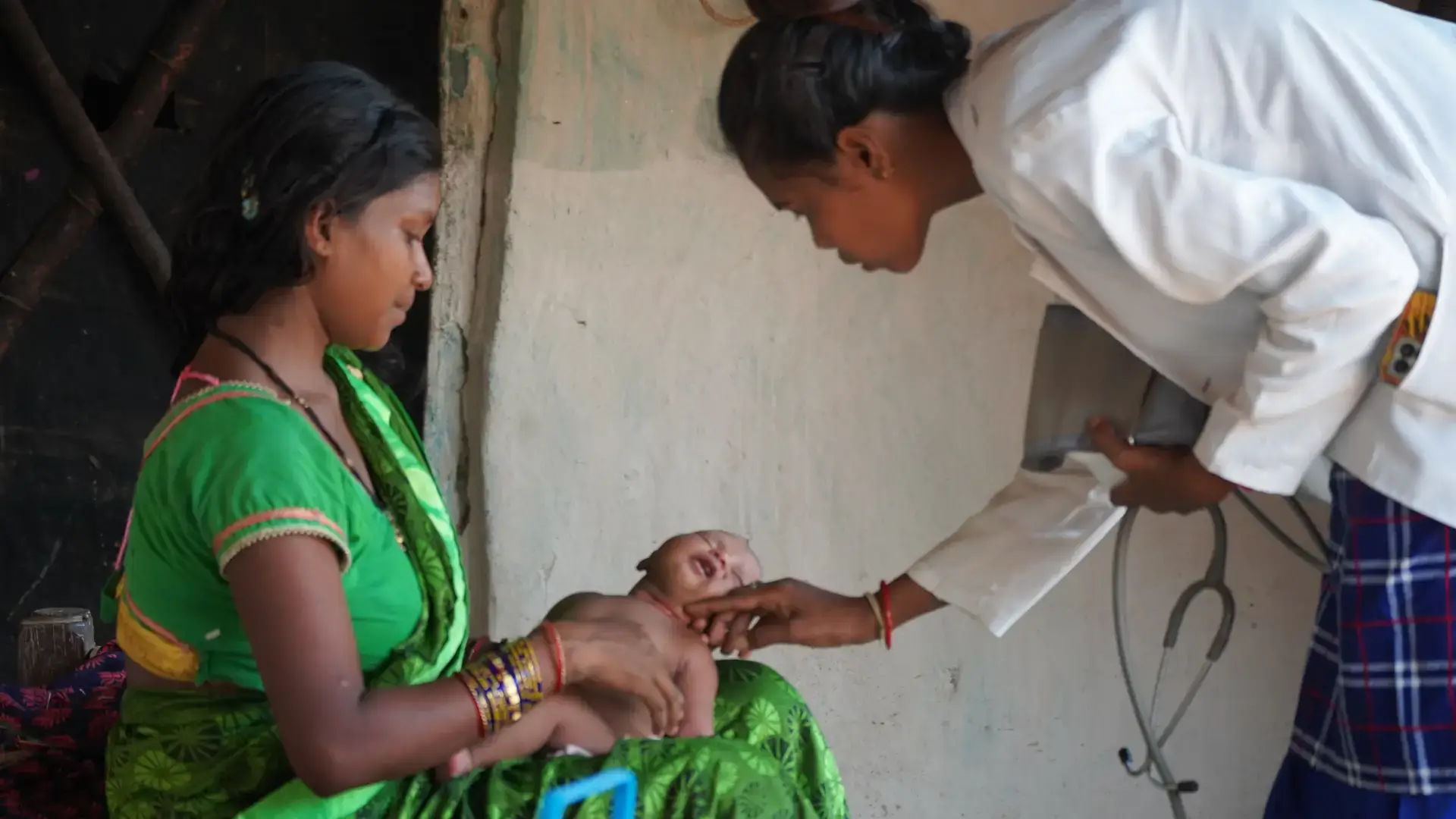
The public (Government) health system follows this design – a frontline cadre of ASHAs (community health workers), Anganwadi workers and ANMs (nurses) who make services available at villages; and then a structure that gradually extends from sub-centres and primary centres to block and district hospitals.
We believe health is central to the wellbeing of our people.
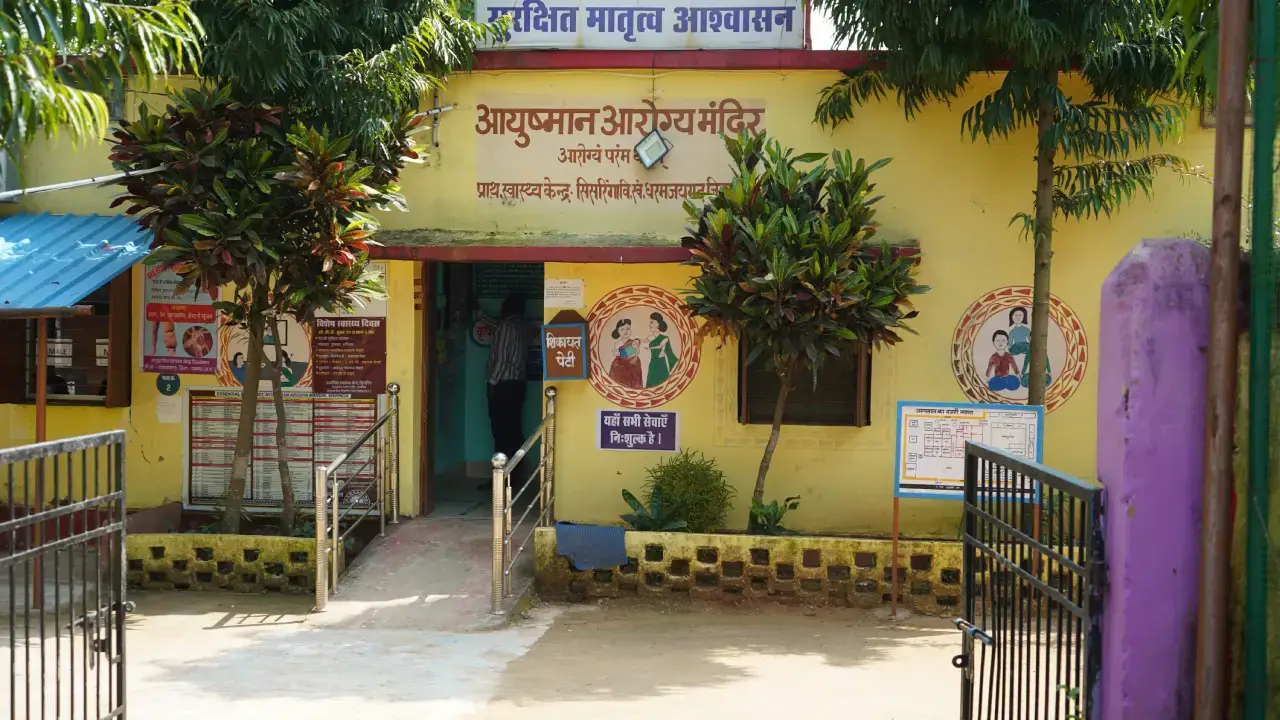
When this system works well, it has significant effects. I saw one this week — in a tribal block in the central belt, we were hard pressed to find a child who has missed her immunization schedule. If you consider the scale and complexity of our country, this is as incredible as it gets.
If this turns out to be a column, I will bring you stories from the field, from urban informal settlements to remote tribal geographies, that will illustrate challenges, successes and complexities of public health in India. As we get more deeply into this, however, I would like to clarify my assumptions to the reader:
Why private hospitals are overrated
A lot of the mainstream discourse tends to be around hospitals, especially private commercial hospitals.
Today’s newspaper reports a cutting-edge robotic surgery to treat a rare pediatric cardiac case at a leading private hospital in my city; it goes on to talk about how India is becoming a destination for medical tourism.
This is misplaced for two reasons: One, while hospitals are not unimportant, bulk of the work needed is at the frontlines. Two, health is a public good; commercially minded service providers, by their very nature, will not serve disadvantaged communities who cannot pay the high costs of their services.
A lot of the mainstream discourse tends to be around hospitals, especially private commercial hospitals.
So commercial hospitals have, at best, a minor role in responding to most of the important health issues of our country.
Careers of service
One of the big gaps is the inadequate availability of healthcare professionals where they are needed the most.
So commercial hospitals have, at best, a minor role in responding to most of the important health issues of our country.
Some professions are essentially careers of service — teachers, lawyers, doctors. It is unfortunate that for many, medicine has become a career of profit. One can directly trace this phenomenon to its commercial roots — of medical colleges and private hospitals run for money.

Medical education in India needs a revolution, to turn it away from commerce and towards an ethos of service and values.
Emerging urban gaps
To see gaps in public health, one does not need to go to remote geographies. Our metros survive on the informal labour of migrants from across the country who have moved away from their homes, looking for livelihood, and become construction workers, security guards, domestic and gig workers.
They make our cities run and yet have poor access to key public services such as anganwadis, ration shops, or health centres.
Medical education in India needs a revolution, to turn it away from commerce and towards an ethos of service and values.
Innovations that matter
Technology in health is all the rage: remote applications, robots, gene therapies, AI and so on. But the most important innovations are not technological. Take ASHAs for instance; they are frontline health workers recruited from communities, bringing community health work to every corner of the country.
Many of the biggest advances India has made — for example, the rise in institutional deliveries and the rapid decline in infant and maternal mortality — have happened because of the diligent door-to-door work done by ASHAs in every nook and corner of the country.
Scarce public expenditure
If you consider how critical the role of ASHAs is in public health delivery, you will be surprised how sparsely they get compensated for this work. India’s per capita public expenditure on health is among the lowest globally; it is low even when compared to other developing nations. This directly affects quality of provisioning in the public system.
Subscribe to stay connected
We will send you a monthly newsletter listing all the articles that were published in the month.
My general tendency would by now be clear. With that, I would like to go back to the girl who started our story. The first step is to recognize that her suffering was unacceptable; this cannot be the reality of our people. The next is to recognize that resolving this needs a strong frontline public health system.
While we have made significant strides as a country, there still are alarming gaps, both in perspective and provisioning. If her story should not repeat, India needs a big step up in its public health system, and it must happen in the next few years.