




For young Arun, a physical injury became the turning point that brought him into the mental health care system he desperately needed but had been unable to access.
This young man of twenty-eight years came to one of the Foundation’s health centres in Bangalore for a wound dressing after an accident. While the nurse and doctor attended to him, they noticed something unusual — despite a deep and painful wound, Arun did not flinch even once. Sensing that something was not right, they alerted the mental health counsellor at the centre.
Since his mother’s death, Arun has been experiencing severe emotional distress, leading to multiple suicide attempts.
After several gentle attempts at conversation by the counsellor, Arun finally opened up.
He had moved to Hebbal (in Bangalore) from Mumbai five years ago. He had been living with his parents and brother and now works as a salesman in his uncle’s company, earning a modest income. Both his parents were chronic alcohol users, and his mother recently passed away due to complications related to alcohol abuse. He does not have a supportive relationship with his father, and his brother lives separately with other relatives. Since his mother’s death, Arun has been experiencing severe emotional distress, leading to multiple suicide attempts. He did not seek help because he did not know how to access it, lacked a support system, and felt that losing a day’s wage to meet a doctor simply was not feasible.
His family was informed about his condition, but they were initially reluctant to support his treatment, partly due to their perceptions about mental health and medication, and partly because of the economic challenges that came with missing work during treatment.
Left to cope on his own, he continued to struggle in silence. That is when, as luck would have it, a physical injury brought him to our health centre.
The counsellor, recognizing that Arun was experiencing severe mental health distress, referred him to a specialized hospital, where he was diagnosed with a personality disorder. His family was informed about his condition, but they were initially reluctant to support his treatment, partly due to their perceptions about mental health and medication, and partly because of the economic challenges that came with missing work during treatment.
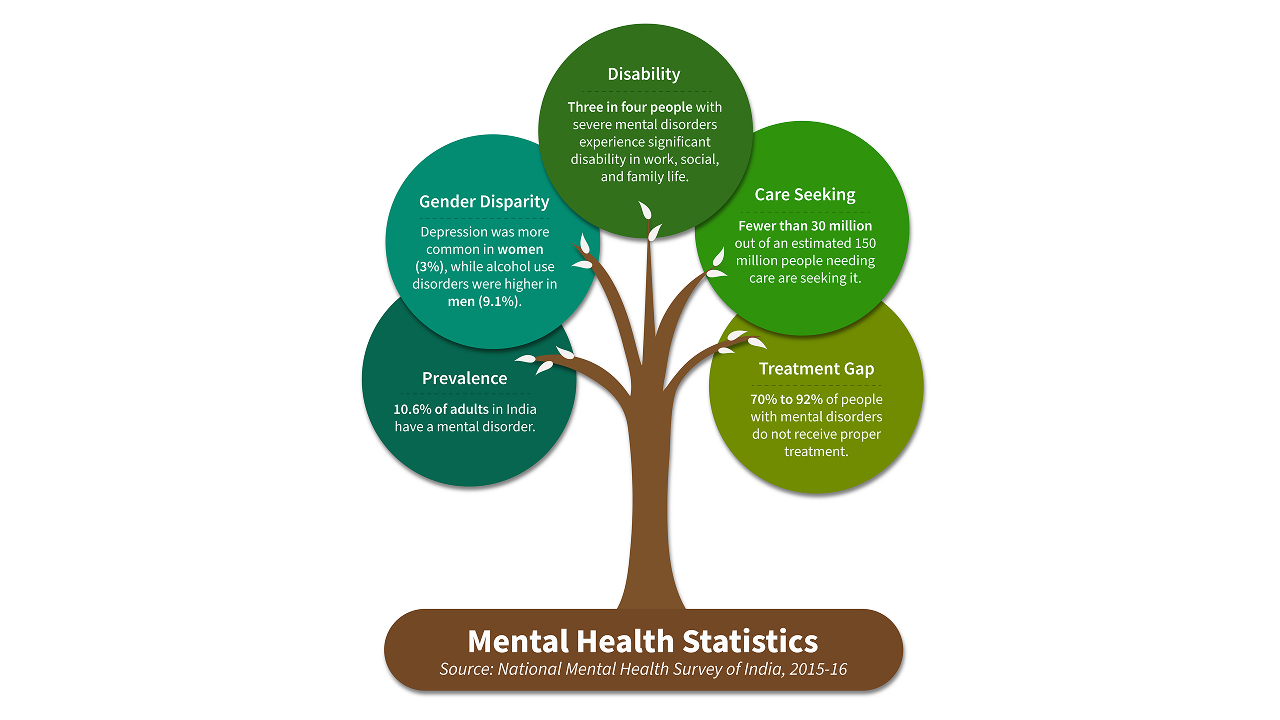
Many people do not know where to turn, how to seek help, or whether help is even available. This underscores the need to view mental health as an essential part of primary care rather than confining it to secondary or tertiary services.
The counsellor held multiple discussions with Arun’s family, helping them understand his condition and the importance of treatment. Gradually, they agreed, and Arun began regular therapy at the hospital. His family has since started noticing positive changes in his behaviour.
Arun continues regular counselling at the health centre and collects part of his medication there. He knows where and how to turn for support whenever needed. With care available close to home, he no longer has to take a full day off work to attend to his health needs.
Arun’s story reflects a larger reality: while physical ailments are quickly addressed, mental health concerns often remain invisible. Many people do not know where to turn, how to seek help, or whether help is even available. This underscores the need to view mental health as an essential part of primary care rather than confining it to secondary or tertiary services.
Strengthening Primary Health Centres (PHCs) to address mental health can transform how people access care. PHCs already exist in most areas and have long served as a beacon of affordable, accessible, and familiar last-mile care. Integrating mental health into these settings increases visibility, reduces hesitation, and lowers the financial and logistical burden of seeking care.
Trained PHC staff can provide short, structured counselling sessions and initiate basic medication when required. Clear referral pathways to specialised hospitals ensure timely care for those with more severe symptoms.
| Under the Ayushman Bharat initiative, primary healthcare facilities were transformed into Health and Wellness Centres (HWCs) with provisions for screening mental health conditions. | |
|---|---|
| ASHA / MPW / ASHA Facilitators |
|
| Community Health Officer (CHO) |
|
| Medical Officer (MO) |
|
PHCs are also natural spaces for community engagement. Training ASHA workers in basic mental health screening and incorporating mental health messages into routine outreach — much like antenatal or sessions on non-communicable diseases — can normalise discussions on emotional well-being. When trusted health workers ask about stress, sleep, or mood, it signals that these concerns are legitimate and treatable, helping disperse the stigma that persists regarding mental health.
Beyond awareness, PHCs can strengthen mental healthcare through practical clinical interventions. Routine OPD visits create opportunities for simple screening questions that enable early detection. Trained PHC staff can provide short, structured counselling sessions and initiate basic medication when required. Clear referral pathways to specialised hospitals ensure timely care for those with more severe symptoms. PHCs can also manage follow-ups and medication refills, reducing the need for frequent travel and helping patients stay consistent with treatment
Subscribe to stay connected
We will send you a monthly newsletter listing all the articles that were published in the month.
Yet, in most cases, PHCs are not fully equipped to meet mental health needs. Despite ongoing integration efforts, gaps in trained personnel, standardised protocols, and dedicated services continue to limit the reach and effectiveness of primary-level mental health care. These gaps delay support for individuals like Arun, often until a crisis forces them to seek help.
Given this story of Arun, we truly believe that primary healthcare is the fulcrum of mental healthcare. Primary Health Centres, equipped with trained and sensitised staff, clear protocols and community outreach systems, and essential screening tools and medications, can serve as the first line of support for mental health concerns. Integrating mental health into routine healthcare enables early identification, reduces stigma, and ensures accessible and continuous care. When mental health becomes a core part of primary healthcare, support moves closer to home — transforming lives like Arun’s.