




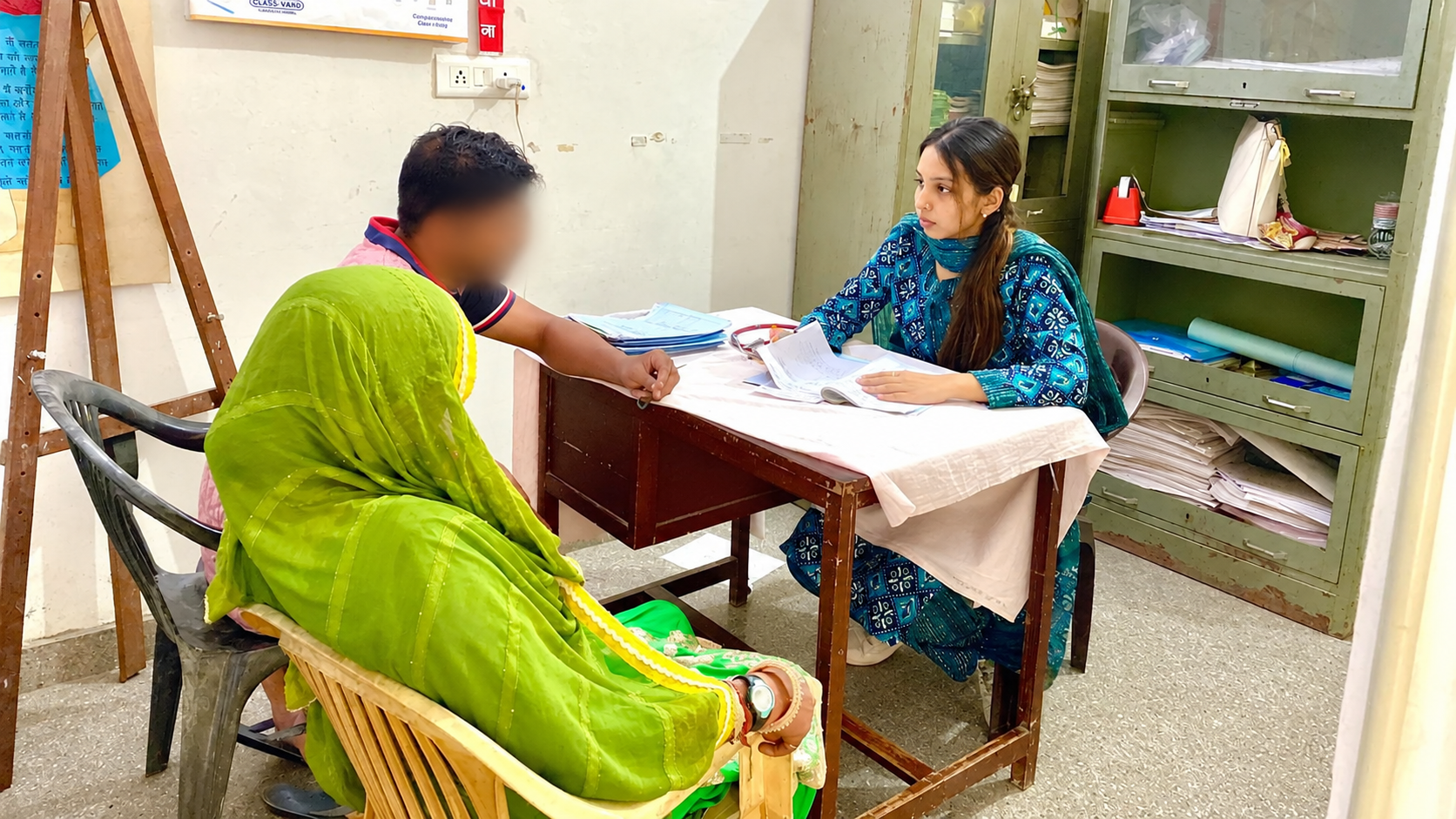
As doctors, we are trained to diagnose, prescribe, and treat. We measure blood pressure, calculate doses, and interpret investigations. Yet, during my visit to the Shifa Mental Health and Disability Project as part of my Health Equity Fellowship, I realized that some of the most important determinants of recovery cannot be measured on a chart.
They are measured in trust.
The Azim Premji Health Equity Fellowship is an initiative by the Azim Premji Foundation that places doctors (MBBS and postgraduates) in public-spirited, not-for-profit hospitals across remote, underserved regions of India. It provides hands-on clinical and community health experience under expert mentorship to advance healthcare access for vulnerable populations.
Nestled within a rural community, the Shifa Mental Health and Disability Project has quietly spent over a decade building something many health systems struggle to achieve: a continuum of mental healthcare that begins long before illness and continues long after the clinic visit. Its work spans prevention, community empowerment, access to professional care, and advocacy for the rights of people living with mental illness and disability. What struck me most was that mental healthcare here did not begin when a patient entered the consultation room—it began in the community itself.
SHIFA is a community-based mental health initiative run by Herbertpur Christian Hospital and the Emmanuel Hospital Association (EHA) in Western Uttar Pradesh, India. It promotes inclusive development, clinical outreach, psychosocial care, and livelihood support for vulnerable populations, empowering individuals with psychosocial disabilities and strengthening community resilience through local volunteers.
During the fortnightly mental health clinic, I saw patients living with conditions ranging from depression and anxiety to severe mental illnesses. Their consultations were familiar: symptoms were reviewed, medications adjusted, and treatment plans discussed. But unlike many outpatient departments, the story did not end there.
The clinic followed the patient home.
One of the most remarkable aspects of the program is its network of trained Community Mental Health Volunteers. These volunteers are not psychiatrists or psychologists. They are members of the same community who have been equipped with the knowledge and skills to bridge the gap between healthcare providers and families. Through regular home visits, they ensure that medications are taken, caregivers understand the illness, side effects are recognized early, and patients are gradually encouraged to re-engage with daily life through household responsibilities or small livelihoods.
It raised a question I had rarely stopped to ask: How many prescriptions fail simply because no one is there to help someone take the first tablet?
Mental illness carries an invisible burden that extends beyond symptoms. Stigma, isolation, financial hardship, and lack of understanding often become barriers greater than the illness itself. In many low-resource settings, specialist mental healthcare is scarce. The Shifa model demonstrates that communities themselves can become part of the solution. By training local volunteers, mental healthcare becomes accessible, culturally acceptable, and sustainable.
Another lesson stayed with me long after I left the clinic. Every patient was accompanied not only by a diagnosis but by a family. Caregivers asked questions, shared concerns, and celebrated small improvements. Mental illness was never treated as an individual’s problem; recovery was viewed as a collective responsibility. At that moment, I understood that successful mental healthcare is as much about strengthening families and communities as it is about treating patients.
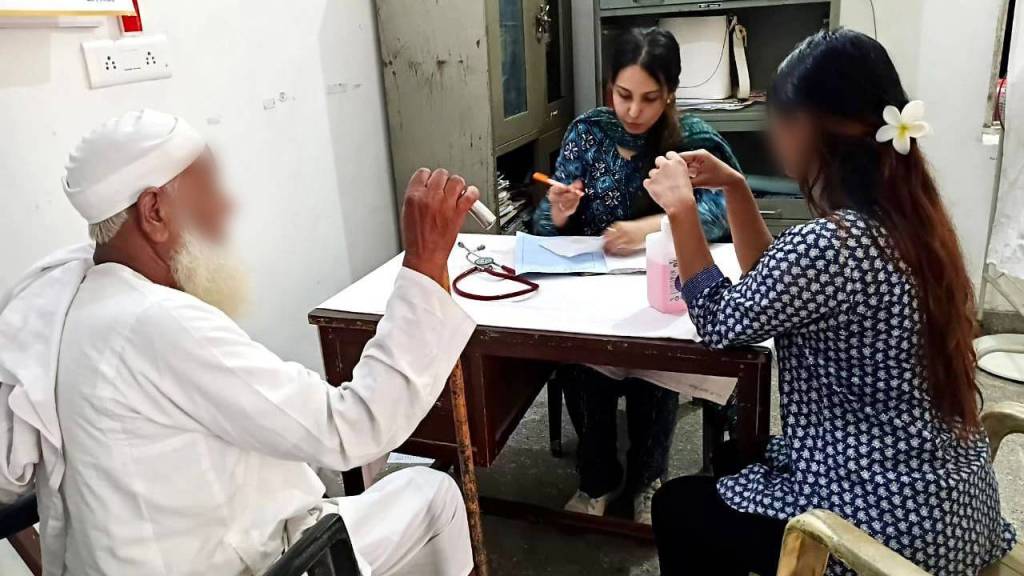
As healthcare professionals, we often speak about the “treatment gap” in mental health. The numbers are staggering, but numbers alone rarely tell the whole story. The true gap lies between reaching a hospital and receiving continuous, compassionate care. Shifa narrows that gap, not only through medicines but through relationships.
Health equity is often discussed in terms of infrastructure, funding, or workforce. Those are essential. But equity also means ensuring that where a person lives does not determine whether they receive dignified mental healthcare. It means recognizing that recovery depends not only on clinicians but also on communities willing to stand beside their most vulnerable members.
My visit to Shifa reminded me that some of the strongest health systems are not necessarily the most technologically advanced. Sometimes, they are built on something far simpler: a volunteer knocking on a patient’s door, a caregiver who finally understands the illness, and a community that chooses compassion over stigma.
Perhaps the future of mental healthcare in low-resource settings will not be built solely inside hospitals. Perhaps it will be built where Shifa has been working all along; in homes, villages, and communities, one conversation at a time.